Timeless Interior Design: How to Avoid Trend Fatigue

Timeless interior design is not about chasing a look or locking yourself into a specific style. It is a way of making decisions that prioritize longevity, function, and clarity, so your home continues to feel right years, even decades, from now. When done well, a timeless interior supports how you live today while leaving room for change over time.
At bldg.collective, we see timeless design as a framework, not an aesthetic. It starts by understanding which choices need to endure and which ones can evolve. By separating permanent decisions from flexible layers, and by sequencing those decisions with intention, we help clients avoid trend fatigue and the regret that often comes from committing too much, too early. This approach is grounded in lived experience designing and building real homes, not in short-lived style cycles or surface-level inspiration.
What Timeless Interior Design Really Means
Timeless design is often misunderstood as a specific look, usually something neutral, minimal, or traditional. In practice, it has very little to do with a particular style, color palette, or set of visual rules.
At its foundation, timeless design is about:
Proportion: Spaces feel balanced and considered rather than overworked.
Material honesty: Finishes are chosen for how they age and perform, not for short-term visual impact.
Function: Layouts support real daily life instead of prioritizing trends.
These fundamentals tend to endure quietly, even as preferences and lifestyles evolve.
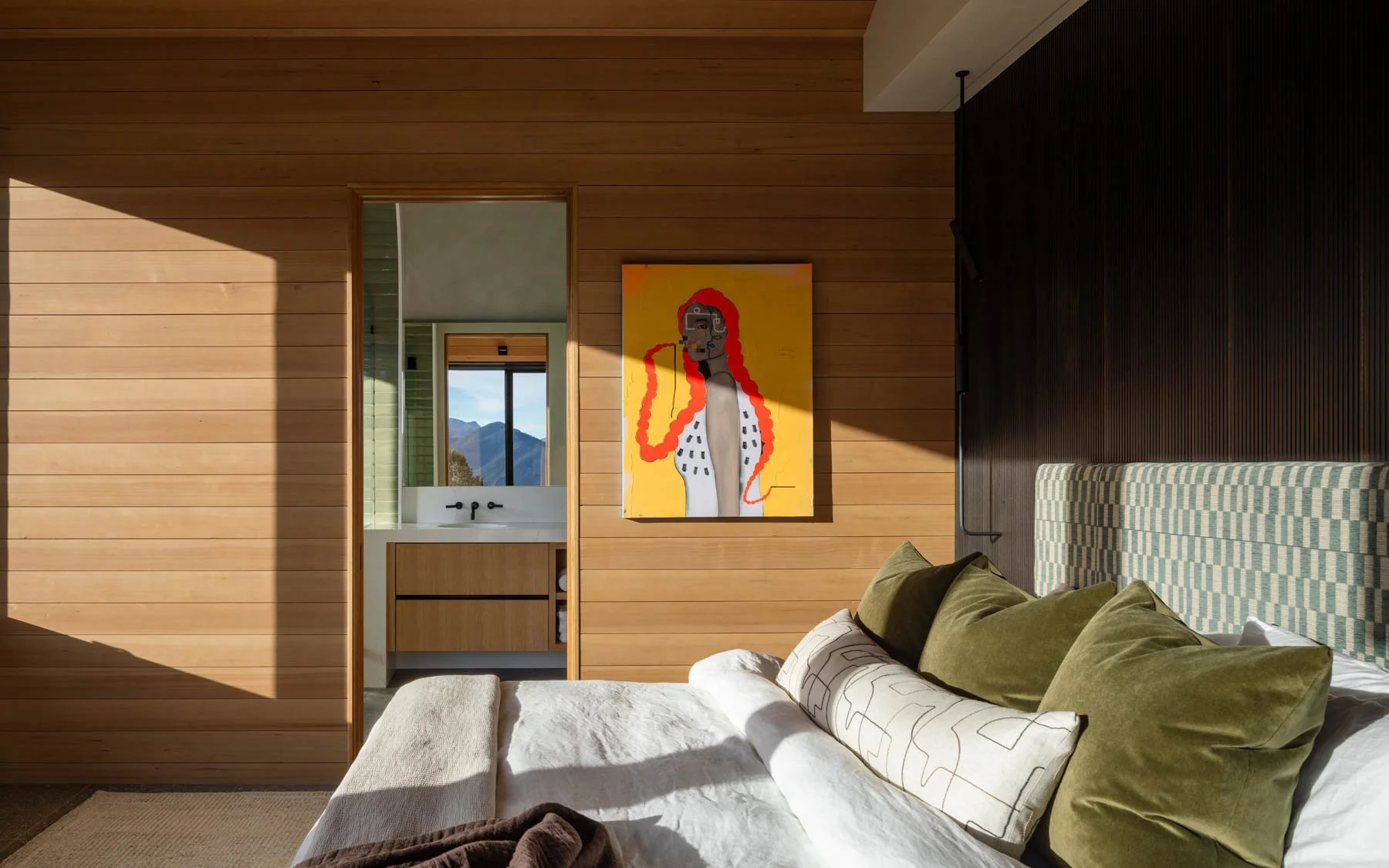
A well-designed interior is also meant to change over time. Instead of requiring a full redesign every few years, a strong foundation allows updates through paint, furnishings, art, and textiles. This approach removes pressure to make every decision permanent from the start.
From our experience, timeless design works best when it is treated as a value system, how choices are evaluated and prioritized, rather than an aesthetic to replicate. Personal expression still plays an important role, just in places where adjustment is easy and long-term regret is unlikely.
Why Trend Fatigue Happens in Homes
Trend fatigue rarely appears overnight. More often, it shows up as a quiet sense that a space no longer feels settled or aligned, even when it is relatively new. Many homeowners feel this discomfort long before they can clearly explain it.
Several factors tend to drive this experience:
Trends move faster than homes do.
Design ideas shift quickly, sometimes year to year, while renovations are expected to last decades. When short-lived trends are applied to long-term decisions, dissatisfaction shows up early.Permanent finishes carry more risk.
Kitchens, bathrooms, and flooring require significant investment and disruption to change. When these elements are tied too closely to novelty, regret is amplified, not because the work was poor, but because the choices were never meant to age that long.Social media accelerates comparison.
Constant exposure to new images creates pressure to keep up. Over time, this erodes confidence and makes even thoughtful decisions feel outdated.
From our experience, most trend fatigue comes from overcommitting to what is new instead of protecting what needs to last. The highest-risk areas are almost always the most expensive and difficult to redo, which is why restraint in these spaces has the greatest impact on long-term satisfaction.

The Foundation vs Layers Framework
To avoid trend fatigue, interior decisions should fall into two categories: what must last and what can evolve. We call this the foundation versus layers framework, and it guides our work from the earliest design stages.
Foundation Decisions Built to Last
Foundation decisions form the backbone of a home. These elements should be selected with longevity in mind, both visually and functionally.
Common foundation elements include:
Flooring
Cabinetry and built-ins
Tile and stone
Architectural details such as trim, doors, and window proportions
In these areas, material quality and proportion matter more than novelty. Finishes that age well tend to feel appropriate longer, even as tastes change. Trend-forward colors, bold patterns, and highly specific looks carry more risk here because they are expensive and disruptive to reverse.
From a practical standpoint, the cost and complexity of change are just as important as visual longevity. Even a well-executed trend can become a liability when it is locked into the most permanent parts of the home.
Layers Where Personality and Trends Belong
Layers are where a home can breathe and evolve. These elements are easier to update and allow personal expression to change over time.
Layered elements typically include:
Paint and wall finishes
Textiles such as rugs, curtains, and upholstery
Art and decorative objects
Lighting and accessories
This is where color, pattern, and trend can live comfortably. When tastes shift, these updates are manageable and low-risk. From our experience, trends are best treated as tools, not commitments. Used intentionally and in the right places, they add energy and personality without undermining the long-term integrity of the home.
By clearly separating foundation decisions from layers, homeowners gain confidence. They can invest wisely in what needs to last, while still enjoying the freedom to refresh and personalize their space over time.

Timeless Interior Design Styles (As Starting Points, Not Rules)
Certain design styles are often described as timeless, and for good reason. Approaches like transitional, Scandinavian, mid-century, and minimalist interiors tend to rely on balance, proportion, and restraint rather than overt trend cues. Because of this, they adapt well as tastes and lifestyles change.
Still, styles work best as reference points, not prescriptions.
What matters more than the label:
Thoughtful layouts that support how the home is used
Appropriate scale and proportion
Materials selected for longevity rather than novelty
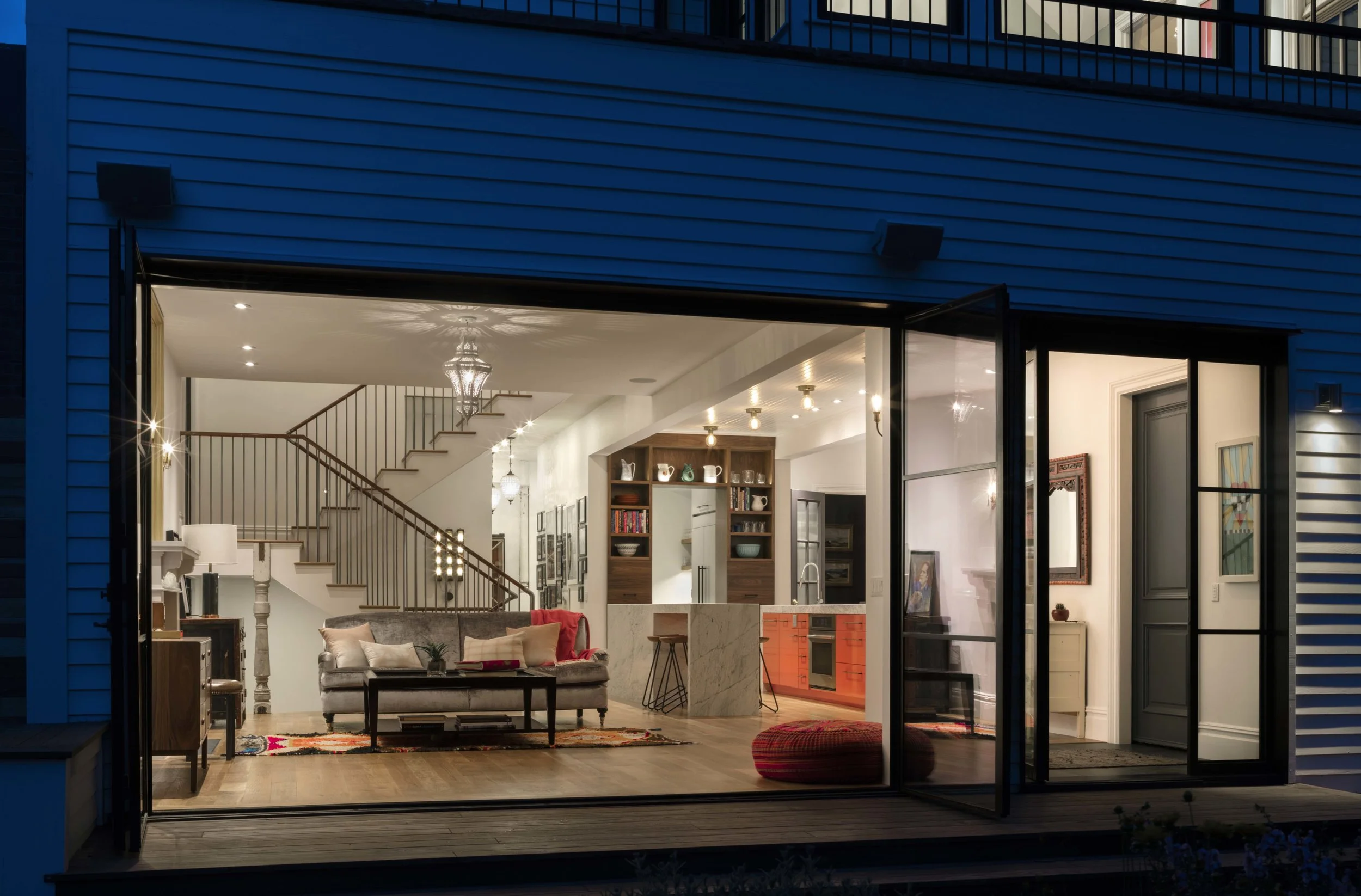
From our experience, architecture should lead interior decisions. The structure of the home, its age, access to natural light, and connection to the site all influence what will feel appropriate inside. When interiors respond to these conditions instead of overriding them, style evolves naturally rather than feeling forced.
Designs that age well come from letting styles serve the home, not define it. Using these categories as a starting point can be helpful, but lasting design emerges when choices are adapted to the specific context, function, and character of the space rather than copied from an image.
A Simple Filter for Making Long-term Interior Decisions
When faced with design choices, timeless outcomes are less about finding the “right” answer and more about asking the right questions. We guide clients through a simple filter that helps clarify which decisions deserve permanence and which can remain flexible.
Before committing to any choice, consider:
Is it permanent or flexible?
If a decision is costly, disruptive, or difficult to undo, it deserves a higher level of restraint. Flexible elements can carry more personality because they are easier to change.Is it tied to function or fashion?
Decisions rooted in how a space is used tend to age better than those driven by visual trends. Function creates longevity.Will it age with use, not despite it?
Materials and finishes should improve with wear, developing character over time rather than showing age as failure.
This framework shifts decision-making away from pressure and toward clarity. Instead of reacting to trends or second-guessing instincts, clients gain a consistent way to evaluate choices across every room.
Our role is to slow the process down, ask these questions at the right moments, and help translate them into confident, well-sequenced decisions that support long-term satisfaction.
Final Thoughts: Designing for Longevity and Confidence
Timeless design is not about perfection. It is about clarity. Homes that age well are shaped by thoughtful decision-making, realistic pacing, and an understanding that the most important choices do not need to be rushed.
In our experience, the strongest outcomes come from allowing decisions to unfold over time. When priorities are clear and the process is structured, clients gain confidence instead of second-guessing themselves. This is especially true in projects where the home represents a long-term investment or legacy. Patience and sequencing matter as much as taste.
At bldg.collective, our role is to act as a guide and advocate throughout that process. We help translate ideas into grounded decisions, explain trade-offs clearly, and protect what matters most as a project moves from concept to construction. When design is approached with intention and support, the result is not just a beautiful home, but one that feels settled, enduring, and aligned with how you live.
If you’re considering a new home or interior project and want clarity before committing, we invite you to start with a conversation.