Finding the Right Level of Investment for Your Custom Home
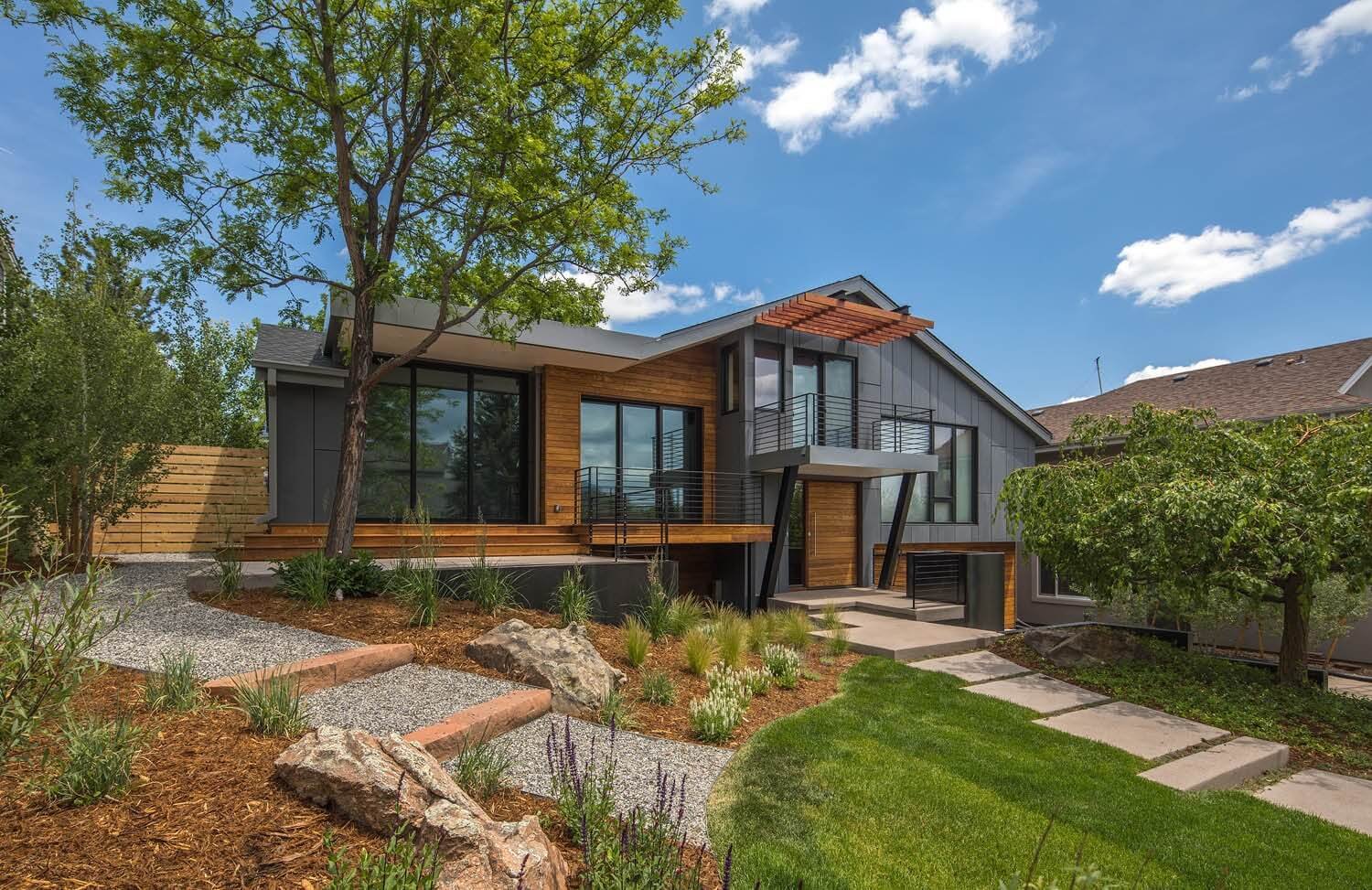
Designing and building a custom home is a significant personal and financial decision. At bldg.collective, we believe the most productive starting point of a project is establishing a clear understanding the level of investment a client wants to commit to the project. The financial range of investment for a project impacts how we approach the align your design goals to the projects physical qualities. From the very beginning, our role is to bring clarity to that conversation. We help align the level of desired investment, design intent, existing site conditions, and approval process before momentum sets in. This early alignment is what allows projects to move forward with confidence, fewer surprises, and a far more considered outcome.
Why “Budget” Is the Wrong Starting Point
The word budget often frames a custom home as a constraint rather than an outcome to be shaped. Most online cost articles reinforce this by relying on broad averages that feel specific but rarely reflect the realities of a particular site, regulatory context, or design goal. The result is confusion and misplaced confidence once real decisions begin.
At bldg.collective, we approach early conversations differently. We talk about a level of investment because a custom home is a long-term asset, not a line item to minimize. This shift allows us to focus first on intent, including:
How you want to live
What the site can realistically support
The complexity of the design
Applicable approvals and regulations
These factors influence the true investment far more than square footage alone.
This framing matters because it shapes every decision that follows. When clients understand their level of investment early, design choices are clearer, tradeoffs are more deliberate, and uncertainty is easier to manage.
For experienced clients, it aligns with long-term value and legacy. For first-time homeowners, it replaces guesswork with a guided, experience-based process.
Why Cost-Per-Square-Foot Averages Rarely Help
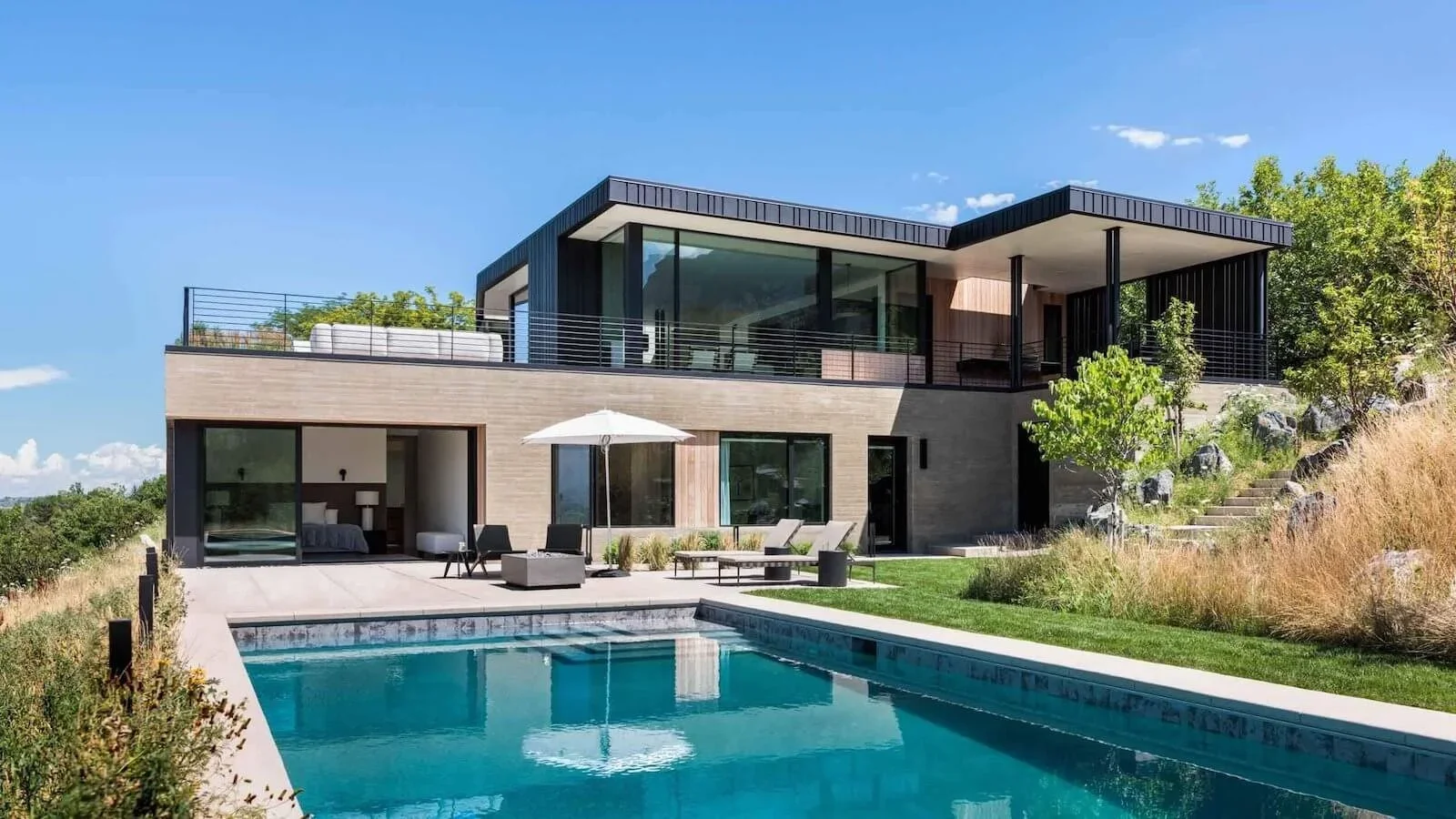
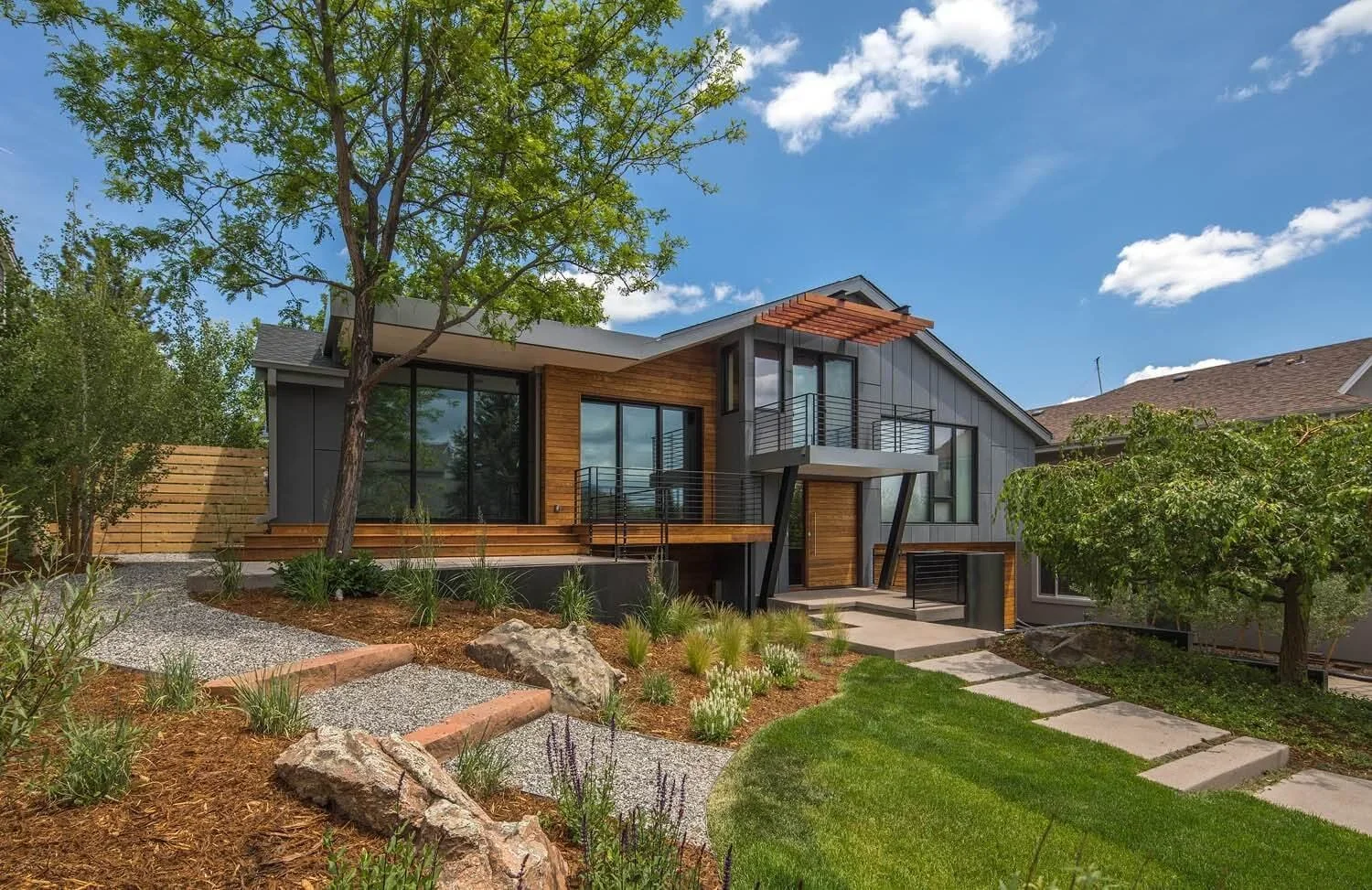
Cost-per-square-foot numbers are used frequently by designers and builders because they are easy to compare. They usually rely on broad ranges paired with disclaimers, which can feel useful but rarely reflect the realities of a specific project. When we do use cost-per-square-foot in conversation it is to help the client emotionally establish what a project could cost, not what it will cost. It is also very important to define what is included in that cost, The issue is that averages hide complexity. Project ‘cost’ is defined differently in every project and therefore almost impossible to establish an apples to apples comparison without knowing what that number includes. A single dollar amount alone does not account for the complex factors that actually shape the level of investment a custom home requires or includes, such as:
Site conditions and access
Level of finish: type and amount of finishes
Area included in square footage total: garages, mechanical space, etc.
Type of mechanical system
Exterior window and door systems
Soft costs: surveying, engineering, architectural design, interior design, landscape design.
Zoning, permitting, and regulatory constraints
Structural and design complexity
Contractor fees
Two homes with the same square footage can land at very different investment levels once these variables are considered.
This is why, at BLDG Collective, we only use square-foot pricing to help clients understand the very broad range of what a project could cost and help them emotionally come to terms with spending that amount of money. Numbers without context create false precision and unrealistic expectations. By focusing instead on how site, design, and approvals drive custom home building costs, we help clients make decisions with clarity and avoid frustration later in the process.
What Actually Shapes the Level of Investment
The level of investment needed to meet the client goals for a custom home is shaped by a combination of factors that go well beyond size or finishes. Understanding these influences early allows design decisions to stay grounded in the client’s values and reduces the risk of costly revisions later. Below are the primary elements that consistently have the greatest impact.
Site and Location
Every site brings its own opportunities and constraints. If it is empty site, topography, access, and the availability of utilities all affect how complex and costly a project becomes. If the project involves an existing home, then a thorough understanding of that structure (year build, previous approvals, size, utilities) will help us understand what can be reused and what needs to change. Zoning and entitlement requirements can further influence what is possible, sometimes in ways that are not obvious at first glance.
Rural sites often introduce different challenges than urban ones, from infrastructure to permitting processes, and these differences directly affect the overall level of investment.
Design Complexity
Design ambition plays a significant role in shaping cost. Structural spans, rooflines, and the overall form of the building influence the time it takes to construct. Custom details, material transitions, and one-off conditions add layers of coordination and labor.
As complexity increases, costs tend to compound rather than rise in a straight line, which is why clarity around design intent is so important early on.
Approvals and Regulations
Permitting and regulatory requirements are often underestimated drivers of investment, especially in the city and county of Boulder, Colorado. Timelines, review processes, and compliance requirements vary widely by jurisdiction.
When design desire is not aligned with what can realistically be approved, projects are forced into redesign, adding time and cost that could have been avoided through early feasibility work.
Construction and Collaboration
How the design team collaborates with builders can also impact project cost and efficiency of the time needed to respond to information requests and changes to the design.. Early contractor involvement helps test ideas against real-world construction constraints and pricing.
Coordinated decision-making allows tradeoffs to be evaluated based on value rather than assumptions, leading to more informed and efficient outcomes.
From our perspective, early diligence is what ties all of these factors together. Feasibility is not an afterthought or a constraint on creativity, it is a core design service. By doing the upfront work to understand site, regulations, and construction realities, we guide projects toward solutions that are both thoughtful and achievable.

Construction Cost vs Total Project Investment
One of the most common sources of confusion in custom home planning is assuming that construction cost represents the full investment. In reality, construction is only one part of a much larger picture, and focusing on it alone often leads to surprises later in the process.
Many online estimates mention these “soft costs” briefly, but they are frequently overlooked when people are trying to plan realistically. A complete custom home investment typically includes:
Architectural design and interior design services
Structural, civil, surveying and other possible engineering fees
Permitting fees
Additional hard costs outside of the actual structure of the house can include:
Site work such as grading, utilities, and access
Landscaping and exterior improvement elements such as patios, lighting, irrigation
Interior furniture
At bldg.collective, we help clients see the full picture early. By clarifying what is included, what is often missed, and how early decisions affect the total investment, we reduce uncertainty and stress later on. This approach builds confidence for first-time clients and helps experienced homeowners manage risk with greater clarity and control.
How Investment Decisions Affect Timeline and Experience
Design decisions shape far more than cost. They influence how a project moves through design, approvals, and construction, and they have a direct impact on the overall experience of building a custom home.
When investment expectations are unclear, projects are more likely to encounter:
Delays caused by late-stage redesign
Unnecessary work and complexity during permitting and approvals
Difficult tradeoffs once construction is underway that cost more than doing the correct scope of work at the beginning.
Early clarity creates alignment. When the level of investment matches the site conditions, regulatory requirements, and design intent, approvals tend to move more smoothly and construction decisions are easier to coordinate.
Decision pacing also matters. In custom home design, speed is far less important than sequence. There are no architectural emergencies. By managing expectations and guiding decisions over time, we protect both the design process and the client experience, reducing stress and allowing projects to progress with confidence and control.
A More Useful Way to Think About Your Investment Early
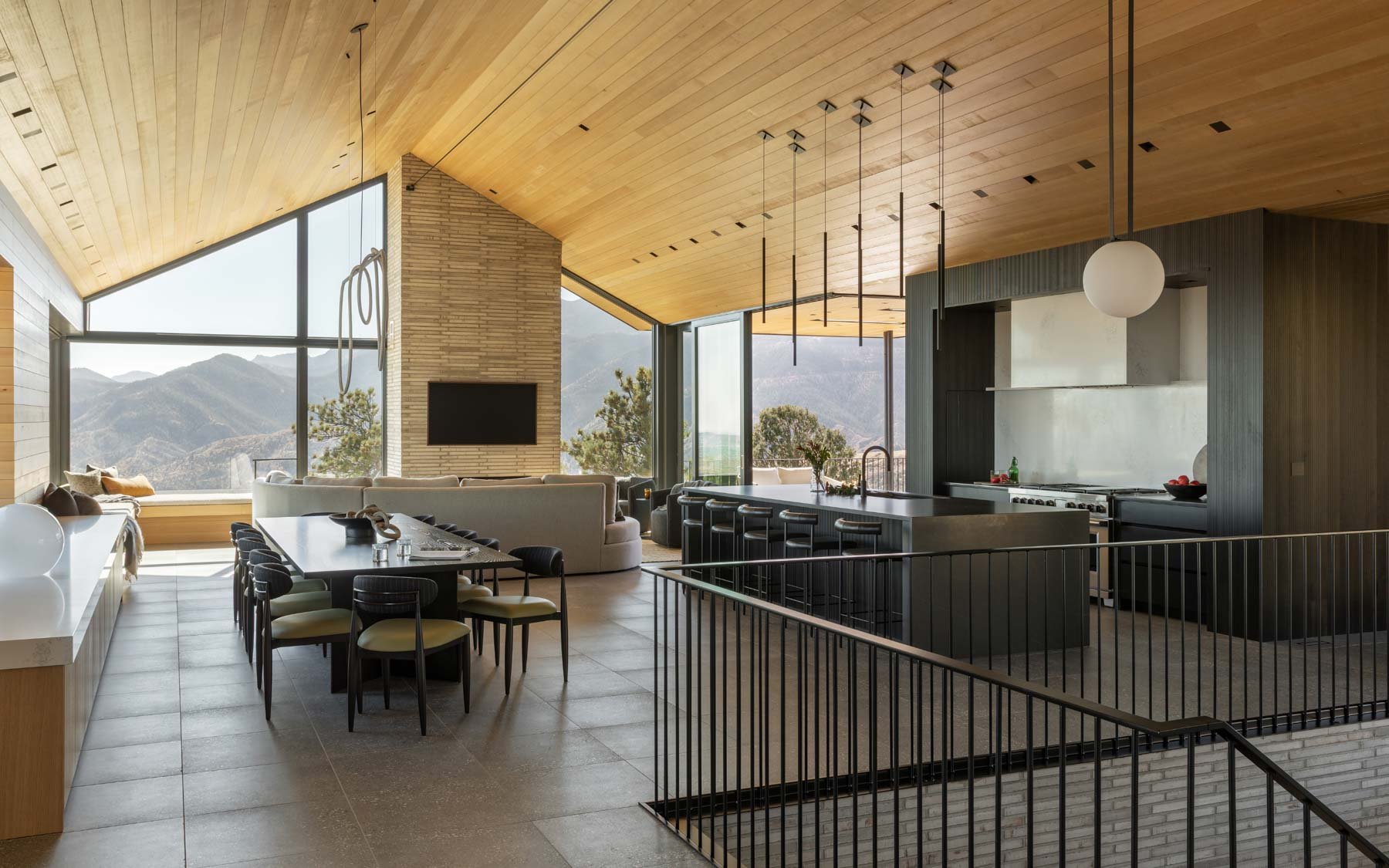
Rather than starting with numbers, the most productive way to think about your investment is to begin with clarity around intent. Defining goals and establishing values early creates a framework that numbers alone cannot provide and allows the design process to move forward with purpose rather than guesswork.
In early conversations, we focus on questions such as:
How do you want to live in the home, both now and long term
Style and design intent for the site and project timeline
Where does flexibility exist and where it does not when it comes to materials, finishes, layout, room use, etc.
How comfortable you are navigating uncertainty as decisions evolve
These discussions help establish risk tolerance and align ambition with context before design momentum builds.
This approach also supports a more cohesive outcome. Instead of presenting multiple disconnected options that dilute focus, we design toward one integrated direction that is refined over time. For first-time clients in particular, this structure reduces the feeling of being overwhelmed, builds confidence, and creates a clearer path forward grounded in informed decision-making rather than numbers alone.
Our Role in Helping Clients Find the Right Level of Investment
At bldg.collective, our architecture practice in Boulder is not focused on pushing projects toward a specific number, but on guiding clients toward clarity.
We lead with service, education, and experience, helping you understand how goals, site conditions, design ambition, and approvals intersect before decisions become difficult or costly to change.
Our approach is built around three core responsibilities:
Service-first guidance
We listen carefully, ask the right questions early, and help frame decisions in a way that supports long-term value rather than short-term cost reactions.Early diligence and education
We investigate site constraints, regulatory requirements, and feasibility upfront so design decisions are grounded in reality, not assumptions.Ongoing advocacy through construction
We stay involved throughout the build to protect the original intent, support clear communication, and ensure decisions continue to align with the agreed level of investment.
This partnership-oriented approach allows us to deliver thoughtful design alongside a well-managed, confident experience from the earliest conversations through construction.
Frequently Asked Questions About Custom Home Investment
-
There is no single number that applies to every project. Cost depends on site conditions, design complexity, material finishes, and approvals. Early ranges are directional, not commitments, and are most useful once the project context is understood.
-
Because pricing without context increases risk. Early work focuses on feasibility and alignment. As clarity improves around site, scope, and approvals, pricing becomes more accurate and reliable.
-
Construction is only one part of the investment. Design, engineering, permits, site work, interiors, and exterior scope all contribute and are often underestimated in early planning.
-
Contingency reflects unknowns, not mistakes. It is most important early in the process and typically decreases as decisions are made and details are resolved.
-
Earlier than most people expect. Ideally before buying land, or at least before design decisions limit options. Early conversations help clarify feasibility and reduce risk.
Moving Forward with Confidence
Clarity comes from collaboration, and the earlier those conversations begin, the more confident the process becomes. When investment expectations are discussed upfront, design decisions are better informed, risks are reduced, and the experience of building a custom home feels more intentional and less reactive.
At bldg.collective, we believe the first conversation should feel supportive, not sales-driven. It is simply an opportunity to talk through your goals, your site, and the questions you are wrestling with, and to understand what level of investment may be appropriate before any commitments are made.
If you are considering a custom home or major remodel, we invite you to start with a conversation. That first call is about gaining clarity, not making decisions. It is a chance to see if our approach aligns with what you are looking for and to take the next step forward with confidence.
Ready to build with confidence?
Contact bldg.collective today for expert guidance on your custom home journey.