Should You Remodel or Rebuild? A Homeowner's Guide
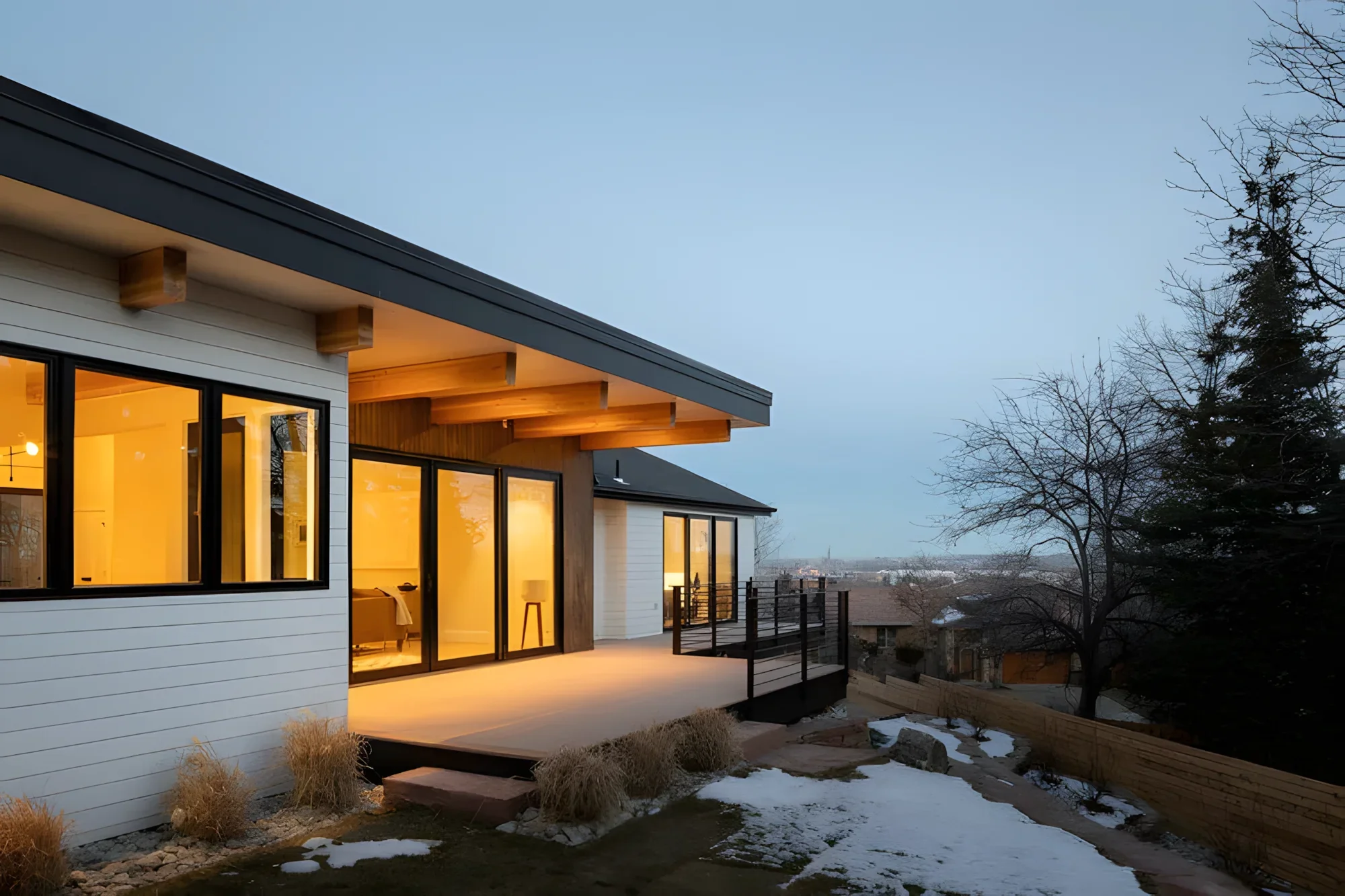
When homeowners come to us weighing a remodel against a full rebuild, the question is almost never simple. Both paths have real merit, and both carry real risk. The right answer depends on the specific condition of your existing home, your goals, your budget, and how much uncertainty you are willing to absorb. This guide walks through the key factors so you can approach that decision with clarity.
This is perhaps the most common dilemma our homeowners encounter. Should I undergo a transformative remodel? Or should I rebuild entirely?
The short answer: it depends. What do you love, or dislike, about the current structure? How much flexibility is built into your budget? Your timeline? How comfortable are you with the unexpected?
Boulder County is peppered with beautiful homes that carry the style and detailing of the decade in which they were built: crown moulding from the late 1800s, low-pitched roofs from the 1950s, or square tapered columns from the 1930s. Sometimes, these details alone are enough to tip the meter toward a remodel. But for those that lean that direction on account of budget, think again.
When Does It Make More Sense to Remodel?
Remodeling tends to be the right choice when the existing structure has genuine value worth preserving. This could mean historic architectural character that cannot be replicated, a non-conforming placement on the lot that would be lost under new construction, or a foundation and structural system in solid condition that would be costly to replace.
Remodeling also makes sense when the scope of change is targeted rather than comprehensive. If the goal is to update a kitchen, reconfigure a floor plan, or add square footage rather than reimagine the entire home, working with the existing structure is often the more efficient path.
The key question to ask: how much of what you are keeping actually serves the new vision? The more you are working around the existing structure rather than with it, the more a rebuild may actually be the cleaner option.
When Does It Make More Sense to Rebuild?
Rebuilding tends to make more sense when the existing structure requires so much intervention that the savings of remodeling disappear. This often happens with older homes that need to be brought up to current code, homes with significant structural issues, or homes where the layout is so fundamentally at odds with the desired outcome that working around it creates more problems than it solves.
Rebuilding also gives you complete control over size, layout, materials, and energy performance from the ground up. In Colorado and Idaho, where building science has advanced significantly and energy codes have tightened, a well-designed new structure can outperform a heavily remodeled older home in durability, efficiency, and long-term value.
The remodel vs rebuild cost comparison is not always straightforward. A remodel may appear less expensive on paper, but once contingency costs, code compliance, and the complexity of working around an existing structure are factored in, the gap often narrows considerably


Understanding the Costs
In architecture, there are three primary factors that affect the overall costs for a given project: size, complexity, and finish. These costs are generally organized into two categories, structure and interior/exterior finishes, each of which is affected by the factors listed above.
Understanding this balance allows for some flexibility. If the budget is fixed, you can opt for a larger home with less expensive finishes, or a smaller home with more expensive finishes. Likewise, we can tweak the complexity of the design to suit the requirements of your budget.
However, the most effective way to control costs is to reduce scale, especially in the early stages of design. Beyond that, it becomes a question of priorities, deciding where to spend and where to save.
This cost framework applies to both remodels and new construction. The difference is that remodels carry an additional variable that new builds do not: the unknown condition of what is already there.
Accepting the Unexpected
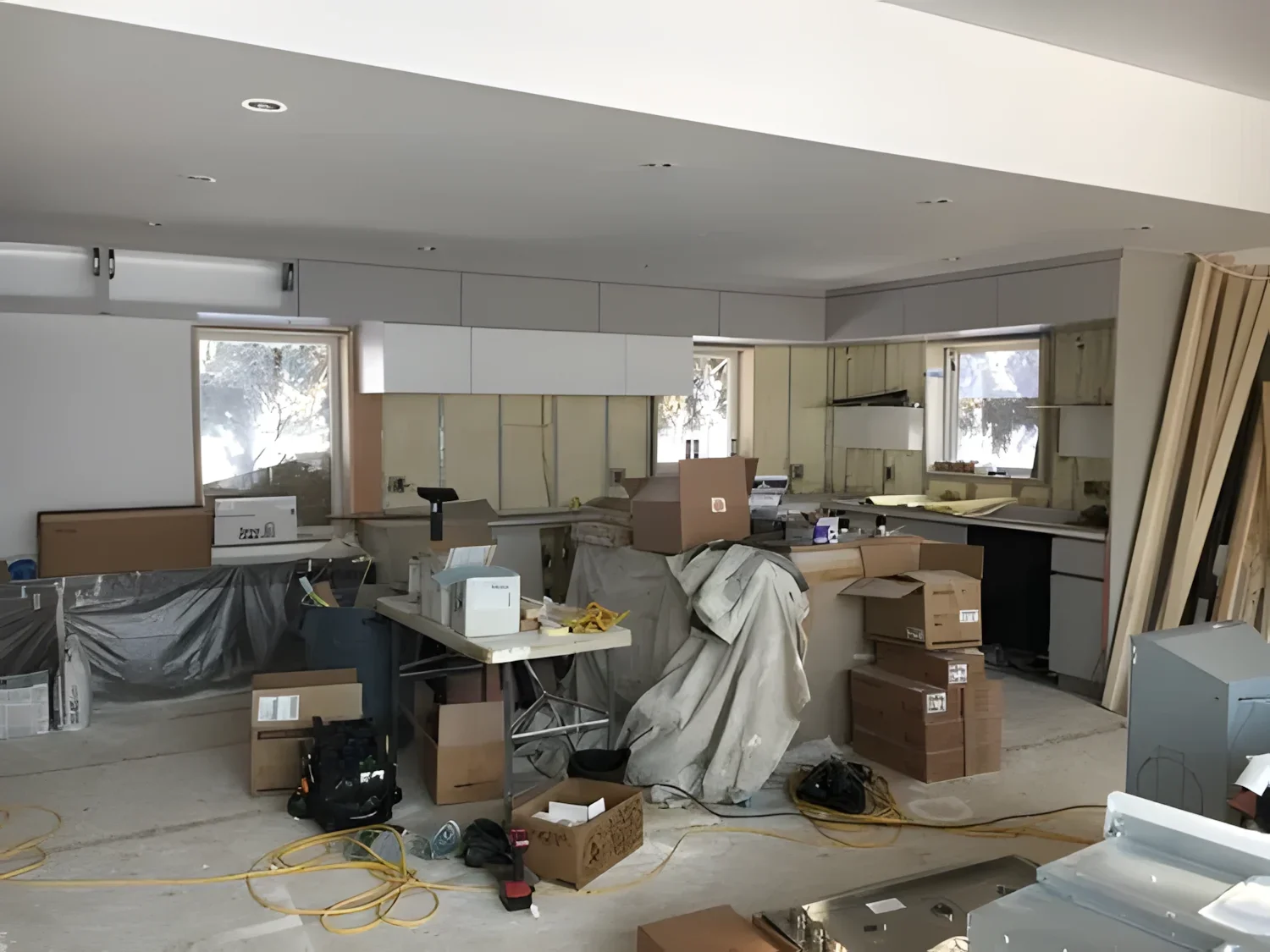
This is one of the most important factors in any remodel vs rebuild decision, and one of the most commonly underestimated.
When it comes to remodels, especially those that require structural additions or reconfiguration, we have to add a fourth factor: the unexpected.
Remodel projects are rife with unknowns. And though remodels might offer opportunities to save money, the savings are not guaranteed.
Homeowners who choose this option require a larger contingency budget to address any unforeseen issues that emerge during construction. Often, the proposal for new work triggers inspections, and may require that the existing structure be brought up to code. Depending on the state of the home, this can be a very lengthy and expensive process.
In our experience working on remodels in Boulder, Colorado and across the region, the contingency budget for a significant remodel should typically be higher than most homeowners initially anticipate. Building in that buffer from the start protects the project and protects your peace of mind.
Is It Cheaper to Remodel or Rebuild?
This is the question most homeowners want answered first, and the honest answer is that it varies significantly by project.
In general, a remodel that touches only specific areas of a home can be less expensive than a full rebuild. But a comprehensive remodel that reconfigures layout, addresses structural issues, updates mechanical systems, and brings the home up to code can approach or even exceed the cost of new construction, without giving you the clean slate that a rebuild provides.
The factors that most often close the gap between remodel and rebuild costs are the age and condition of the existing structure, the complexity of the desired changes, and the degree to which the existing systems, plumbing, electrical, HVAC, need to be replaced or updated regardless.
The most useful thing we can do early in the process is help you understand what the existing structure is actually worth preserving, and what it would truly cost to work with it versus start fresh. That clarity is the foundation of a good decision.
Creating a Realistic Gameplan
If you are one of the many who have budget constraints, we suggest the following four-step process:
Dial in your budget relative to your needs. What is the scale of the project? What level of finish are you hoping for?
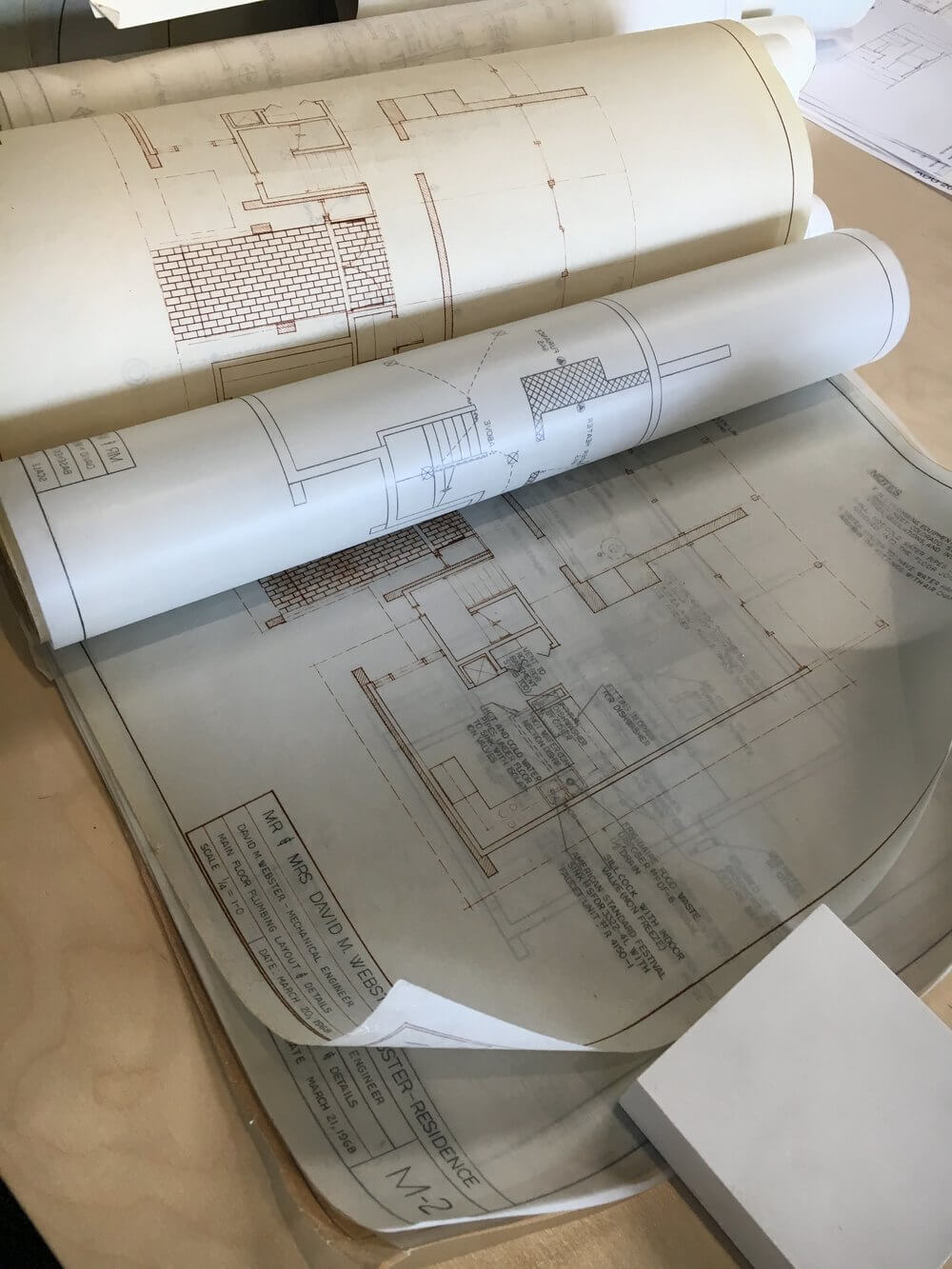
Document any elements of the existing structure that you hope to retain. Are there aspects that cannot be replicated or rebuilt such as non-conforming placement on the plot or historic character and qualities?
Examine your timeline. Where will you live during construction? If you are paying on two properties, what does that look like? How does that affect your overall budget?
Bring in the specialists. Get inspections. Pull estimates for code compliance. Add up anticipated costs for remodel on the structural elements of the project. Do you have room for contingency plans?
The decision to remodel may appear to be the cost-effective option, but requires research, clarity, and an acceptance of the unknown.
How bldg.collective Can Help
Whether you are leaning toward a remodel or starting to think seriously about a rebuild, the most valuable thing an architect can do at this stage is help you ask the right questions. We have guided homeowners through this decision in Boulder, Colorado and beyond for years, and we know that the right answer is rarely obvious without a thorough look at the existing structure, the site, the goals, and the numbers.
If you are working through a remodel vs rebuild decision and want a grounded, honest perspective, we would love to hear about your project.
We offer consultations for homeowners at exactly this stage of the process, before the decision is made and before any commitments are locked in. That early conversation is often where the most valuable thinking happens. Reach out and let us know where you are.
If you have already decided that a remodel is the right path, you can learn more about our remodeling services here.